Cheerleading uniforms have evolved dramatically from their modest beginnings to today’s athletic, fashion-forward designs. Modern college cheerleader uniforms blend performance functionality with aesthetic appeal, reflecting changes in athletic wear technology, fashion trends, and the increasingly athletic demands of competitive cheerleading.
Understanding cheerleader uniform design reveals broader trends in women’s athletic wear, the professionalization of collegiate sports spirit programs, and how functional sportswear has influenced mainstream fashion. Whether you’re interested in athletic wear design, college sports culture, or costume inspiration, cheerleading uniforms offer a fascinating case study in how clothing evolves to meet changing performance and aesthetic standards.
The Evolution of Cheerleading Uniforms
Cheerleading began in the late 1800s as an all-male activity at American universities. Early cheerleaders wore everyday clothing—typically sweaters with megaphones. When women joined cheerleading squads in the 1920s, uniforms became more standardized but remained extremely modest by today’s standards.
Through the 1950s and 1960s, cheerleader uniforms consisted of long skirts, long-sleeved sweaters, and saddle shoes. These outfits prioritized modesty over athletic performance. Cheerleading remained primarily a sideline activity focused on leading crowd chants rather than the acrobatic, tumbling-intensive sport it would become.
The 1970s and 1980s brought significant changes as cheerleading became more athletic and competitive. Uniforms shortened to allow greater range of motion for jumps, stunts, and tumbling. Materials shifted from heavy wool and cotton to lighter, more flexible synthetic fabrics. The modern cheerleader uniform silhouette—cropped top and shorter skirt—emerged during this period in response to athletic demands.
By the 1990s and 2000s, competitive cheerleading had evolved into a demanding athletic activity requiring strength, flexibility, and coordination comparable to gymnastics. Uniforms adapted accordingly, incorporating moisture-wicking fabrics, built-in support features, and designs allowing full range of motion for complex stunts and tumbling passes.
Today’s college cheerleader uniforms represent the culmination of decades of evolution, balancing aesthetic tradition with serious athletic functionality.
Modern College Uniform Design Elements
Contemporary college cheerleading uniforms share several common design features while allowing for school-specific customization and style variations.
The Shell Top: Most modern uniforms feature a sleeveless shell top, typically cropped to fall at or slightly above the natural waist. This design maximizes arm mobility for stunts and tumbling while creating the classic cheerleader silhouette. Shells typically incorporate team colors, school logos, and decorative elements like sequins, rhinestones, or metallic accents.
Built-in shelf bras provide support without requiring separate undergarments. Higher-quality uniforms use power mesh panels for breathability and compression fabrics that maintain shape through intense physical activity. The neckline varies by school preference—some favor crew necks, others choose V-necks or sweetheart styles.
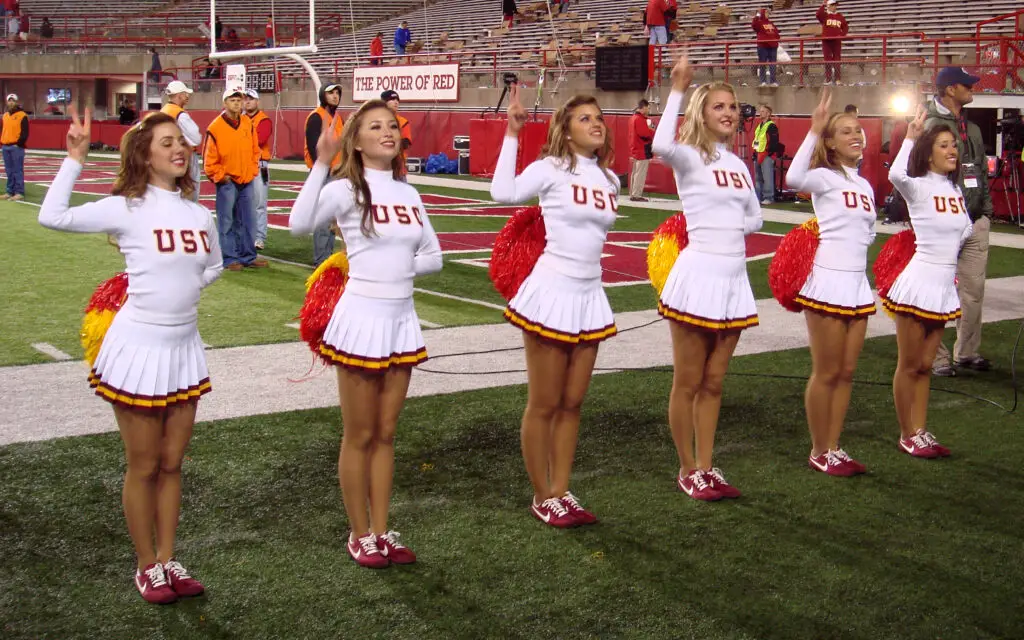
The Skirt: Cheerleader skirts typically fall mid-thigh, allowing freedom of movement while maintaining coverage during jumps and stunts. Modern skirts incorporate attached shorts (called “spankies” or “lollies”) in matching or contrasting colors, ensuring coverage during athletic movements.
A-line skirts remain the most common style, creating the characteristic cheerleader look that flares slightly during motion. Some squads prefer pleated skirts for a more traditional appearance, while others choose knife pleats or box pleats for different visual effects when the squad moves in unison.
Skirt length varies by school policy and squad preference. Competitive cheerleading uniforms often feature shorter skirts maximizing mobility, while sideline/game day uniforms may be slightly longer. The skirt typically sits at the natural waist, creating a defined silhouette and ensuring it stays in place during stunts.
Color Schemes and Branding: College uniforms prominently display school colors and logos. Most squads use their school’s primary colors with contrasting trim and accents. Traditional combinations like navy and white, red and black, or purple and gold remain popular, though some schools incorporate metallic accents like silver or gold for added visual impact.
Logos appear on the chest, often centered or positioned on the left side. Some uniforms incorporate school names, mascot imagery, or custom graphics. The level of embellishment varies—some schools prefer clean, minimalist designs while others embrace heavily decorated uniforms with extensive rhinestone or sequin work.
Fabric Technology: Modern cheerleading uniforms use advanced athletic fabrics vastly superior to materials from previous decades. Most uniforms incorporate polyester-spandex blends offering:
- Moisture-wicking properties: Fabric pulls sweat away from skin, keeping athletes dry during intense performances
- Four-way stretch: Material stretches in all directions, moving with the body during complex athletics
- Shape retention: Uniforms maintain their fit and appearance through repeated wear and washing
- Durability: High-quality fabrics withstand the physical demands of stunts, tumbling, and frequent laundering
- Color fastness: School colors remain vibrant through multiple seasons
Premium uniforms may incorporate compression fabrics providing muscle support, antimicrobial treatments reducing odor, and UV protection for outdoor performances.
Professional vs. College Cheerleading Uniforms
While sharing basic design elements, professional cheerleading uniforms for NFL, NBA, and other sports leagues differ significantly from college uniforms in several ways.
Professional uniforms typically feature:
- More revealing cuts emphasizing entertainment and visual appeal over pure athletic function
- Higher-quality fabrics and construction befitting professional performance standards
- More elaborate embellishments including extensive rhinestone work and custom details
- Tighter, more form-fitting silhouettes
- Coordinated accessories like gloves, belts, or specialized footwear
- Custom designs unique to each team rather than off-the-rack options
Professional cheerleaders perform primarily dance-based routines rather than the stunting and tumbling emphasized in college cheerleading. This functional difference influences uniform design—professional uniforms prioritize appearance and movement for dance, while college uniforms must withstand the physical demands of partner stunts, basket tosses, and tumbling.
College uniforms emphasize:
- Athletic functionality for stunting and tumbling
- School spirit and traditional design elements
- Durability through practice and competition seasons
- Compliance with university and athletic conference standards
- Budget considerations (colleges buy multiple uniforms per squad member)
The aesthetic differs too. Professional uniforms often embrace fashion-forward designs that change annually, while college uniforms tend toward more traditional silhouettes that remain consistent for several years, establishing visual identity and tradition.
Athletic Wear Trends Influencing Cheerleading Fashion
Cheerleading uniform design doesn’t exist in isolation—it both influences and is influenced by broader athletic wear trends.
Compression and Performance Fabrics: The compression wear revolution in athletic fashion has influenced cheerleading uniforms. While traditional uniforms use lighter fabrics, some squads incorporate compression elements in tops or attached shorts for added support during athletic movements. The rise of brands like Nike, Under Armour, and Adidas in athletic wear has elevated expectations for performance fabrics across all sports, including cheerleading.
Athleisure Influence: The blurring of athletic wear and casual fashion has affected cheerleading practice wear and warm-up gear. Many squads now wear coordinated athleisure-style practice uniforms featuring leggings, sports bras, and crop tops in school colors. This reflects broader fashion trends making athletic wear acceptable and fashionable in everyday contexts.
Customization and Personalization: Modern athletic wear emphasizes individual expression within team uniforms. Some cheerleading squads allow personalized elements—custom sneakers, hair accessories, or name personalization—reflecting this trend while maintaining overall uniformity.
Sustainability Considerations: As athletic wear brands increasingly emphasize sustainable materials and ethical production, some uniform manufacturers now offer eco-friendly options using recycled polyester or more sustainable production methods. This trend is gradually reaching cheerleading uniforms, particularly at universities with strong sustainability commitments.
Regional and Conference Style Variations
College cheerleading uniforms vary noticeably across different regions and athletic conferences, reflecting local traditions, climate considerations, and competitive cultures.
Southern universities often favor more traditional uniform styles with classic A-line skirts, conservative crop tops, and heavily embellished designs. Schools like Alabama, LSU, and Texas feature uniforms with extensive rhinestone work, metallic accents, and bold color combinations. The emphasis on tradition and school spirit in Southern football culture translates to uniforms that honor decades of cheerleading heritage.
West Coast schools tend toward more modern, streamlined designs with cleaner lines and less embellishment. Universities like UCLA, USC, and Stanford often choose uniforms emphasizing athletic functionality over decorative elements. Climate plays a role too—warm weather allows for lighter fabrics and more minimal designs year-round.
Big Ten and Midwest schools typically balance tradition with functionality. Schools like Michigan, Ohio State, and Wisconsin maintain classic color schemes and recognizable designs while incorporating modern performance fabrics and construction techniques. Colder climates influence design choices too—many Midwest squads have warm-up jackets or long-sleeved uniform options for outdoor fall and winter games.
Ivy League and academically-focused institutions often choose more conservative uniform designs reflecting institutional culture. These schools may favor longer skirts, less embellishment, and classic silhouettes emphasizing tradition and dignity over contemporary trends.
Competitive Cheerleading Uniform Differences
Universities with highly competitive cheerleading programs—teams that compete in UCA or NCA championships—often maintain separate competition uniforms distinct from game day/sideline uniforms.
Competition uniforms prioritize:
- Maximum mobility for complex stunts and tumbling sequences
- Lighter-weight fabrics reducing restriction during acrobatic elements
- Minimal embellishments that could snag during partner work
- Secure construction ensuring nothing comes loose during routines
- Strategic color blocking that enhances visual impact from judges’ perspectives
Competition routines last only 2.5 minutes but pack in enormous athletic content—tumbling passes, partner stunts, pyramids, basket tosses, and synchronized choreography. Every design element must support rather than hinder these movements.
Game day uniforms balance:
- Visual impact for large stadium crowds
- Durability through hours of sideline activity
- Weather-appropriate fabrics for outdoor venues
- More elaborate decoration creating visual interest from distance
- Comfort for extended wear during long game days
Many top programs invest in both uniform types, recognizing the different demands of competitive routines versus sideline spirit leading.
Accessorizing the Cheerleader Look
Beyond the core uniform, several accessories complete the cheerleader aesthetic and serve functional purposes.
Footwear: Modern cheer shoes are specialized athletic shoes designed specifically for cheerleading’s demands. They feature:
- Lightweight construction for jumping and tumbling
- Minimal ankle support allowing flexibility
- Grippy soles for stability during stunts
- White leather or synthetic uppers with team color accents
- Reinforced areas withstanding repeated impact
Leading brands like Nfinity, Kaepa, and Varsity dominate the cheer shoe market. Most teams wear identical shoes creating visual uniformity.
Hair Accessories: Coordinated hair bows in team colors are cheerleading’s most iconic accessory. Large, often oversized bows (typically 6-8 inches wide) sit atop high ponytails or positioned at the back of pulled-back hairstyles. These serve both aesthetic and practical functions—they’re highly visible from stadium distances and keep hair secured during athletic activity.
Some squads incorporate rhinestones, glitter, or metallic elements in bows matching uniform embellishments. Hair must be pulled completely back from faces for safety during stunts and tumbling.
Performance Makeup: Cheerleaders typically wear bold, stage-appropriate makeup ensuring facial expressions read from distance. This includes:
- Strong eye makeup with false lashes
- Defined brows and contouring
- Bright lipstick in team colors (often red)
- Setting spray ensuring makeup withstands sweat and activity
The dramatic makeup serves practical purposes—helping judges and crowds see facial expressions—while creating the polished, performance-ready appearance associated with cheerleading.
Warm-ups and Practice Wear: Most squads have coordinated warm-up suits in school colors worn before performances and during practice. These range from traditional track suits to more fashion-forward athleisure-style sets. Practice wear typically includes:
- Sports bras or crop tops in team colors
- Athletic shorts or leggings
- Team-branded apparel
- Matching sneakers for conditioning and tumbling practice
Costume and Themed Uniform Variations
Beyond standard competition and game day uniforms, cheerleading aesthetics have influenced costume design and themed variations for various occasions.
Halloween and costume parties frequently feature cheerleader-inspired outfits. The recognizable silhouette—crop top, short skirt, and coordinating accessories—makes it a perennially popular costume choice. Adult costume versions range from faithful reproductions of authentic uniforms to more stylized, fashion-forward interpretations emphasizing the aesthetic over athletic functionality.
Couples’ roleplay and themed events sometimes incorporate cheerleader-inspired styling. The uniform’s cultural associations with youth, energy, and American sports culture make it recognizable iconography. When used in adult contexts, these interpretations maintain the visual elements (colors, silhouette, accessories like pom-poms) while adapting materials and fit for different purposes than athletic performance.
Fashion and streetwear has periodically embraced cheerleader-inspired elements. Pleated mini skirts, crop tops, and athletic-meets-preppy styling appear regularly in mainstream fashion, often drawing inspiration from cheerleading aesthetics without directly copying uniform designs. This influence demonstrates how sports uniforms shape broader fashion trends.
Dance and performance costumes in non-cheerleading contexts sometimes adapt cheerleading uniform elements for stage performances, music videos, or entertainment productions. The recognizable aesthetic communicates specific cultural meanings—American youth culture, organized sports, school spirit—making it useful shorthand in visual storytelling.
Style Gallery: Modern Cheerleader Uniform Aesthetics
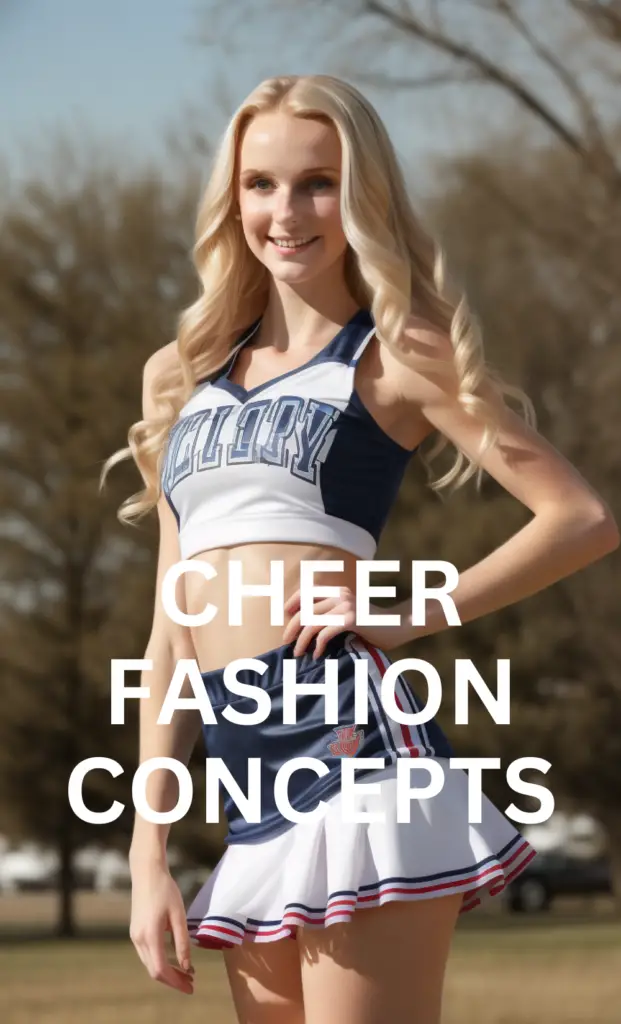
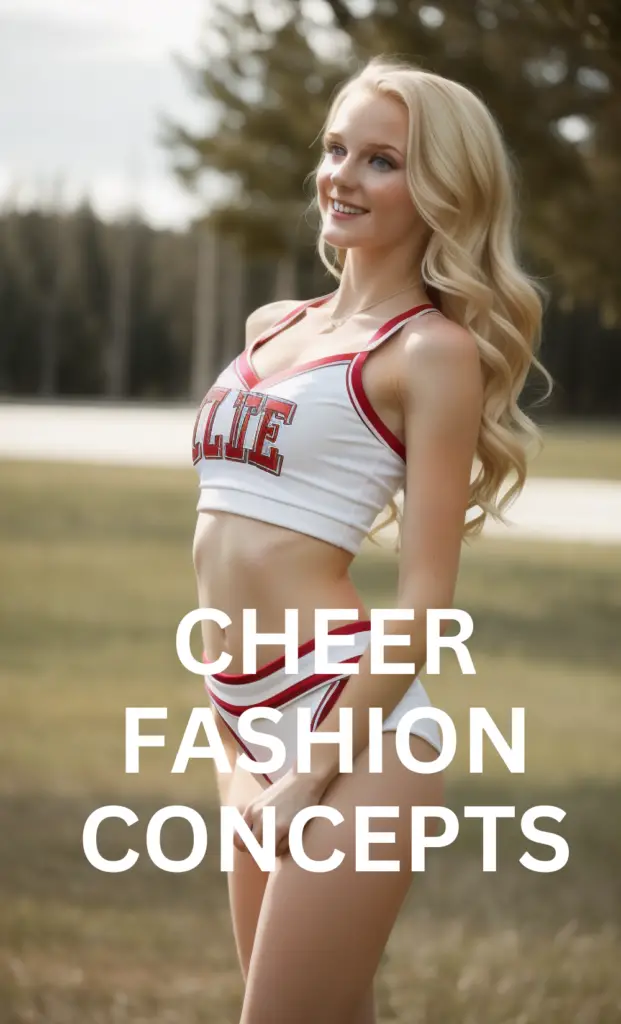
The images throughout this article showcase various styles and design approaches in modern college cheerleading uniforms. These AI-generated style examples illustrate the range of aesthetic choices available while highlighting common design elements that define contemporary cheerleader fashion.
You’ll notice consistent features across styles: the cropped shell top and short skirt silhouette, coordinated color schemes emphasizing school spirit, athletic fabrics allowing full range of motion, and attention to both functionality and visual appeal. The variety demonstrates how individual schools customize the basic template to reflect their unique identity while maintaining the recognizable cheerleader aesthetic.
These style examples show how uniform design balances several competing demands: athletic performance requirements, visual impact for crowds and judges, durability through demanding physical activity, and alignment with school traditions and branding. Modern uniform designers navigate all these considerations while creating outfits that cheerleaders feel confident and comfortable wearing during intense physical performance.
The Future of Cheerleading Uniform Design
Cheerleading uniform design continues evolving in response to several trends and pressures.
Increased athletic demands: As competitive cheerleading becomes more athletic—incorporating elements from gymnastics, acrobatics, and dance—uniforms must support increasingly complex physical requirements. Future designs may incorporate more compression elements, advanced moisture management, and construction techniques borrowed from Olympic-level gymnastics wear.
Technology integration: Some experimental designs incorporate technology like embedded sensors tracking athletic performance metrics or LED elements for evening performances. While not yet mainstream, these innovations may influence future uniform design as technology becomes more miniaturized and affordable.
Sustainability pressures: Universities facing pressure to reduce environmental impact may demand uniforms made from recycled or more sustainable materials. Manufacturers are developing eco-friendly alternatives to traditional polyester fabrics, though these must match the performance characteristics teams require.
Inclusivity considerations: Uniform designers increasingly consider diverse body types and comfort preferences. Some manufacturers now offer extended sizing, different cut options, and modest alternatives accommodating religious or personal preferences while maintaining team uniformity.
Cost considerations: As university budgets face pressure, uniform costs come under scrutiny. The tension between desire for high-quality, custom uniforms and budget constraints drives innovation in manufacturing efficiency and materials.
Despite these evolving pressures, the fundamental cheerleader uniform silhouette will likely remain recognizable. The cropped top and short skirt combination has become iconic, balancing athletic functionality with aesthetic tradition in ways that satisfy multiple stakeholders—athletes, coaches, universities, and audiences.
Conclusion: Function Meets Fashion
College cheerleader uniforms represent a unique intersection of athletic performance wear, institutional branding, cultural tradition, and fashion design. What began as modified everyday clothing has evolved into specialized athletic gear incorporating advanced fabrics, thoughtful construction, and designs balancing multiple competing demands.
Understanding cheerleading uniform evolution reveals broader patterns in women’s athletic wear. As women’s sports have professionalized and athletic demands have intensified, uniforms have adapted—becoming shorter, lighter, more flexible, and more functional while maintaining aesthetic elements that define each sport’s visual identity.
The modern cheerleading uniform succeeds when it allows athletes to perform complex stunts and tumbling without restriction while creating visual impact for crowds and judges, surviving the physical demands of practice and competition, and representing school spirit and tradition. Achieving this balance requires careful attention to fabric selection, construction techniques, and design details.
Whether you’re interested in athletic wear design, considering cheerleading participation, researching costume inspiration, or simply curious about how sports uniforms evolve, cheerleader uniforms offer fascinating insight into how clothing adapts to serve both functional and symbolic purposes.
The next time you see a cheerleading squad perform—whether at a football game, basketball game, or competition—notice the uniforms. Those carefully designed outfits represent decades of evolution, countless hours of athletic performance, and the ongoing challenge of creating clothing that works as hard as the athletes wearing it.