
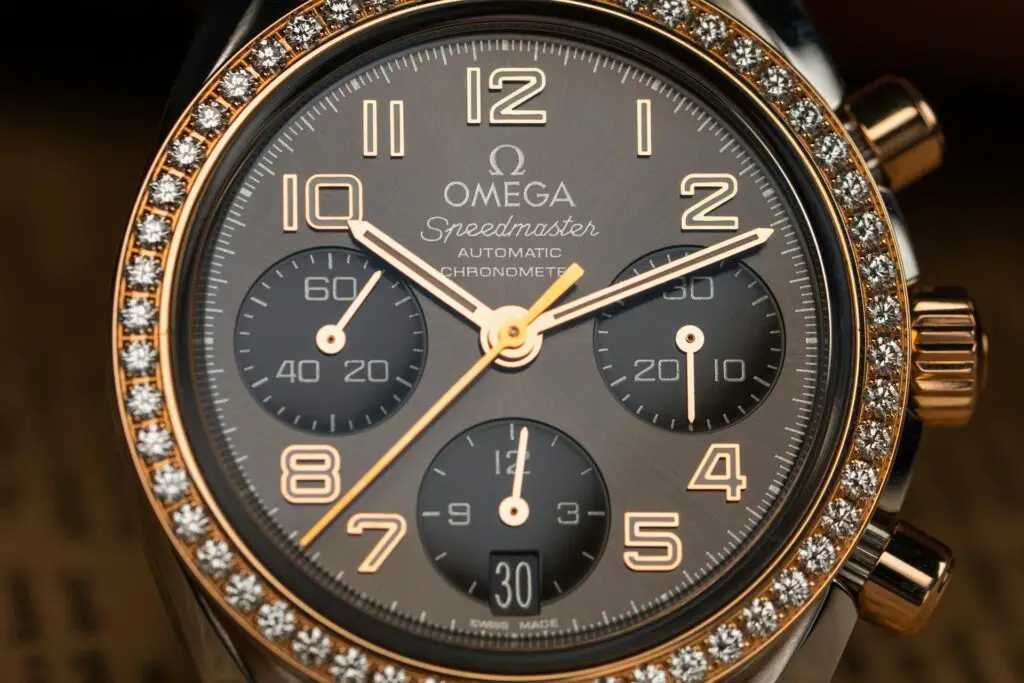
A quality watch serves three purposes for professionals: telling time, signaling success, and potentially preserving value. Unlike most luxury purchases that depreciate immediately, certain watches hold or even appreciate in value over years, making them rare consumer goods that function somewhat like investments.
The $10,000 price ceiling for watch collecting represents a strategic threshold. Below this point, you access genuinely prestigious brands—Omega, Tudor, Grand Seiko, Breitling—with movements, materials, and finishing that clearly differentiate from fashion watches. Above this threshold, diminishing returns accelerate rapidly. A $15,000 watch isn’t notably better than a $10,000 equivalent; you’re paying primarily for brand prestige rather than quality improvements.
This guide examines the best watches under $10,000 for professionals building collections with both style and value retention in mind. We’ll focus on timepieces that maintain strong resale markets, carry professional credibility, and deliver genuine horological quality—not just expensive brand names on mediocre movements.
Why Watches Matter for Professionals
In an era of smartphones providing perfect time everywhere, mechanical watches seem anachronistic. Yet they persist in professional contexts precisely because they’ve transcended pure functionality.
A quality watch signals:
- Attention to detail and craftsmanship appreciation
- Financial success without ostentation (subtle wealth displays)
- Taste and discernment (choosing meaningful brands over flashy logos)
- Tradition and permanence in disposable culture
The right watch starts conversations, opens networking opportunities, and creates instant rapport with others who appreciate horology. Partners at law firms, investment bankers, surgeons, and senior executives disproportionately wear quality timepieces. It’s professional signaling that works.
The investment angle: Unlike cars, clothing, or electronics that depreciate relentlessly, certain watches hold 60-90% of purchase price even after years of wear. Some appreciate significantly. A $8,000 watch you wear for five years might sell for $6,500-7,500 used—your ownership cost was $500-1,500 total, or $100-300 annually. No other luxury good offers comparable value retention.
Understanding Watch Value Retention
Not all watches hold value equally. Several factors determine whether a timepiece maintains, loses, or gains value:
Brand prestige and heritage: Rolex, Patek Philippe, and Audemars Piguet lead in value retention because demand consistently exceeds supply. At the under-$10K level, Omega, Tudor (Rolex’s sister brand), and Grand Seiko offer strong value retention due to quality and collector interest.
Movement quality: In-house movements (designed and manufactured by the brand) typically command stronger resale than generic movements licensed from suppliers. Brands like Grand Seiko and Omega produce their own movements, adding value.
Production numbers and availability: Limited editions and discontinued models often appreciate as collectors compete for finite supply. Conversely, mass-produced models with unlimited availability struggle to hold value.
Condition and documentation: Watches with original boxes, papers, and service history sell for 20-30% more than those without documentation. Condition dramatically affects value—scratched crystals, damaged dials, or aftermarket parts tank resale prices.
Market trends and hype: Certain models become “hot” in collector markets, driving prices above retail. This happens with specific Omega Speedmasters, certain Tudor divers, and vintage-inspired releases. Following market trends helps identify which watches likely appreciate.
The Rolex Alternative: Tudor
Tudor offers the most direct path to Rolex quality at accessible prices. As Rolex’s sister company, Tudor shares design DNA, manufacturing standards, and some components with its famous sibling while maintaining independence in movement development.
Tudor Black Bay 58 – $4,000-4,300
The Black Bay 58 represents Tudor’s most successful modern design—a vintage-inspired dive watch with 39mm case sizing that wears comfortably on most wrists. The “58” references 1958, the year Tudor released its first dive watch.
What works: The in-house MT5402 movement provides 70-hour power reserve with COSC chronometer certification, matching accuracy standards of watches costing twice as much. Build quality is exceptional—solid construction, excellent finishing, and reliability matching Rolex standards. The 39mm case size makes it wearable daily unlike many oversized modern divers.
The gilt (golden) dial details and snowflake hands give distinctive character while maintaining versatility. It works equally with suits or casual wear—true daily wear capability. Resale values are strong, typically 85-95% of retail after years of wear.
What doesn’t: The bracelet, while solid, doesn’t match Rolex’s glide-lock clasp sophistication. No quick-adjust feature means sizing requires removing links. The date-less design bothers some who prefer date complications on daily wears.
Best for: Professionals wanting Rolex quality and design without the $10,000+ price tag or waitlist complications. The Black Bay 58 delivers 90% of Rolex Submariner appeal at 40% of the cost.
Tudor Pelagos 39 – $4,900
The Pelagos line represents Tudor’s technical dive watch offering, built for serious water resistance (500m) and professional diving capability. The 39mm Pelagos balances tool watch functionality with everyday wearability.
What works: The titanium case weighs significantly less than steel, making all-day wear more comfortable. The in-house MT5400 movement matches Black Bay 58’s technical specifications. The micro-adjust clasp allows instant sizing adjustments without tools—genuinely useful feature Rolex charges premium prices for.
The matte dial and case finishing give utilitarian, tool-watch aesthetic appealing to those avoiding jewelry-like flash. Lume application is exceptional, providing genuine low-light visibility.
What doesn’t: The titanium shows scratches more readily than steel, though many appreciate the worn “tool watch” patina this creates over time. The helium escape valve—designed for saturation diving—is unnecessary complication most buyers will never use.
Best for: Professionals who appreciate technical specifications and lightweight comfort over traditional luxury aesthetics. Those who want genuine dive watch capability they’ll likely never use but appreciate having.
Omega: Moon Watch Heritage and Modern Excellence
Omega occupies unique space in watch hierarchy—brand recognition rivaling Rolex, rich history including moon landing and James Bond associations, yet more accessible pricing. The brand offers exceptional value for money, particularly in pre-owned markets.
Omega Speedmaster Professional “Moonwatch” – $6,500-7,000
The Speedmaster Professional earned “Moonwatch” nickname after NASA selected it for space missions, including the 1969 moon landing. This watch has been to the moon six times—unmatched heritage in horology.
What works: The manual-wind caliber 1861 movement (descended directly from the original moon mission watches) provides authenticity and collector credibility. Hesalite crystal (plastic) instead of sapphire maintains original specification and vintage character. The chronograph complication is genuinely useful for timing events.
Build quality is exceptional—solid case construction, reliable movement, and finishing appropriate to the price point. Resale values are strong and stable; Speedmasters rarely depreciate significantly. The 42mm case wears smaller than dimensions suggest due to straight lugs.
What doesn’t: The hesalite crystal scratches easily (though it’s easily polished). Manual winding requires daily interaction some find tedious. Water resistance (50m) is minimal—this isn’t a swimming watch despite professional tool watch heritage.
Best for: Professionals who appreciate watch history and want timepiece with genuine cultural significance. The Speedmaster offers conversation-starting heritage and strong value retention.
Omega Seamaster Professional 300M – $5,200-5,800
The modern Seamaster combines dive watch functionality with luxury finishing and James Bond associations. It’s Omega’s most commercially successful current model, balancing sport watch capability with dressy enough appearance for business contexts.
What works: The Co-Axial caliber 8800 movement represents Omega’s technical innovation—the co-axial escapement reduces friction, extending service intervals and improving long-term accuracy. METAS certification provides testing standards exceeding standard COSC chronometer requirements.
The ceramic bezel is virtually scratch-proof. Wave-pattern dial adds visual interest without being loud. Water resistance (300m) provides genuine diving capability. Size options (42mm or 39.5mm) accommodate different wrist sizes.
What doesn’t: The bracelet, while solid, has somewhat complex quick-adjust system that’s not intuitive initially. The helium escape valve at 10 o’clock disrupts symmetry for those bothered by such details. Brand perception sits slightly below Rolex despite comparable quality.
Best for: Professionals wanting versatile sport watch capable of desk-to-dinner transitions. Those who appreciate technical innovation and testing standards beyond industry norms.
Grand Seiko: Japan’s Secret Horological Powerhouse
Grand Seiko operates in curious market position—virtually unknown outside watch enthusiast circles yet producing some of the finest watches available at any price. The brand offers finishing quality rivaling Swiss brands costing 2-3x more.
Grand Seiko SBGA413 “Shunbun” Spring Drive – $9,800
The Spring Drive movement represents Grand Seiko’s unique technology—combining mechanical watchmaking with quartz regulation for accuracy (±1 second per day) impossible with purely mechanical movements. The glide motion seconds hand sweeps perfectly smoothly rather than ticking.
What works: Dial finishing is extraordinary—the “Shunbun” pink dial captures colors of cherry blossoms in spring, demonstrating Japanese aesthetic sensibility. Case and bracelet finishing exceeds Swiss competitors at this price, with Zaratsu polishing creating distortion-free mirror surfaces.
The Spring Drive movement’s accuracy eliminates need for regulation adjustments. Build quality is impeccable—tolerances, finishing, and attention to detail rival watches costing $20,000+. Wearing this watch reveals why enthusiasts consider Grand Seiko horological equals to Swiss luxury brands.
What doesn’t: Brand recognition outside enthusiast circles is minimal—clients and colleagues likely won’t recognize the name. Resale values, while improving, lag Swiss brands due to lower market awareness. The smooth-sweeping seconds hand, while technically impressive, doesn’t provide the satisfying mechanical tick some prefer.
Best for: Professionals confident enough to wear exceptional quality that doesn’t scream brand names. Those who appreciate Japanese craftsmanship and want best-finished watch available under $10K regardless of brand recognition.
Grand Seiko SBGH273 Hi-Beat Automatic – $5,800
The Hi-Beat movement runs at 36,000 vibrations per hour (compared to 28,800 for most Swiss movements), providing smoother seconds hand motion and greater accuracy. This represents Grand Seiko’s traditional mechanical watchmaking at its finest.
What works: The Mt. Iwate dial texture captures Japanese mountain landscapes in subtle guilloche patterns. Movement finishing visible through sapphire caseback rivals brands costing far more. Accuracy (±5 seconds per day) exceeds most mechanical watches in this price range.
The 40mm size and relatively thin profile work well under dress shirt cuffs. The watch demonstrates that mechanical watchmaking excellence isn’t exclusively Swiss—Japanese horology matches or exceeds European competitors in technical execution.
What doesn’t: Similar to the Spring Drive model, brand recognition issues persist. The bracelet, while well-built, uses older-style clasp without micro-adjustments found on newer models. Some find the polished case scratches more visibly than brushed finishes.
Best for: Mechanical watch purists who want exceptional movement finishing and accuracy without Spring Drive’s quartz regulation. Those building collections and wanting Japanese representation alongside Swiss pieces.
Alternative Luxury: Breitling and TAG Heuer
These brands occupy interesting market positions—strong heritage and genuine quality, but often undervalued in resale markets compared to Rolex or Omega. This creates buying opportunities for those prioritizing wearing experience over resale value.
Breitling Navitimer B01 Chronograph 43 – $9,300
The Navitimer represents aviation watch history—the circular slide rule bezel allowed pilots to perform flight calculations before electronic systems. It’s iconic design instantly recognizable to aviation enthusiasts.
What works: The in-house B01 movement provides 70-hour power reserve and COSC chronometer certification. The chronograph complication is genuinely useful and well-executed. The watch makes strong statement—nobody mistakes a Navitimer for anything else.
Build quality matches Swiss luxury standards. The watch appeals to aviation professionals and enthusiasts, creating conversation opportunities in those circles.
What doesn’t: The 43mm case with complex dial wears large and busy—it’s not subtle or understated. Resale values are softer than Rolex or Omega, typically 60-70% of retail. The slide rule bezel, while historically significant, is functionally obsolete for modern pilots.
Best for: Aviation professionals or enthusiasts who appreciate the tool watch heritage. Those confident wearing bold, distinctive timepieces rather than conservative classics.
TAG Heuer Aquaracer Professional 300 – $3,400
TAG Heuer offers entry point to Swiss luxury with genuine quality at accessible prices. The Aquaracer provides dive watch functionality with modern aesthetics.
What works: The Calibre 5 automatic movement (based on proven Sellita SW200) is reliable and easily serviced globally. Build quality is solid—well-finished case, ceramic bezel, strong bracelet construction. Water resistance (300m) provides genuine dive capability.
The price point makes it accessible for young professionals building first serious watch collections. Brand recognition is strong, particularly among younger demographics familiar with TAG’s marketing presence.
What doesn’t: Resale values are weak—expect 50-60% of retail on used market. The borrowed movement (rather than in-house) limits collector appeal. Design, while attractive, doesn’t achieve timeless status of Submariner-style competitors.
Best for: Younger professionals wanting Swiss luxury watch at accessible price who prioritize wearing experience over investment value. Those needing dive watch capability at reasonable cost.
Smart Buying Strategy: New vs. Pre-Owned
The watch market offers significant savings for buyers willing to purchase pre-owned pieces from reputable dealers.
Pre-owned advantages:
- Save 20-40% off retail on recent models
- Avoid initial depreciation hit (first owner absorbs it)
- Access discontinued models unavailable new
- Better selection—not dependent on current inventory
Pre-owned risks:
- Authentication concerns (buy only from established dealers)
- Service history uncertainty
- Missing original boxes and papers (reduces value 20-30%)
- Potential undisclosed damage or repairs
Trusted pre-owned dealers: Chrono24, WatchBox, Crown & Caliber, and Hodinkee Shop offer authentication guarantees and return policies protecting buyers.
When to buy new:
- Want factory warranty and documentation
- Buying hot models where used prices equal or exceed retail
- Building relationship with authorized dealer for future allocations
- Prefer being first owner with complete service history
Building Your Collection Strategically
Don’t buy watches randomly. Build purposeful collection covering different contexts:
Three-watch collection (recommended starting point):
- Sport watch (dive or GMT): Tudor Black Bay 58 or Omega Seamaster – versatile daily wear
- Dress watch: Grand Seiko or vintage Omega – formal occasions and business meetings
- Chronograph: Omega Speedmaster or Tudor chronograph – casual and weekend wear
This covers 90% of professional and personal situations without redundancy.
Value Retention Summary
Strongest value holders (85-95% of retail):
- Tudor Black Bay 58
- Omega Speedmaster Professional
- Rolex (any model, but exceeds $10K budget)
Good value holders (70-85% of retail):
- Omega Seamaster Professional
- Grand Seiko Spring Drive models
- Tudor Pelagos
Moderate value holders (60-75% of retail):
- Grand Seiko Hi-Beat automatics
- Breitling Navitimer
- TAG Heuer models
Remember: Buy watches primarily for wearing enjoyment. Value retention is bonus, not primary goal. If a watch brings daily satisfaction, modest depreciation is acceptable cost.
Conclusion: Choose Quality Over Hype
The best watch collection under $10,000 prioritizes genuine quality, versatile design, and personal satisfaction over chasing hype or investment returns.
Tudor offers Rolex DNA at accessible prices. Omega delivers moon landing heritage and modern excellence. Grand Seiko provides finishing quality punching far above its price point. Each fills different roles in a professional’s collection.
Start with one versatile piece—Tudor Black Bay 58 or Omega Seamaster—that works across contexts. Wear it daily for a year. If watch enthusiasm persists, add pieces filling gaps in your collection. Build slowly, buy quality, and choose watches that genuinely resonate rather than following trends.
A $4,000-8,000 watch worn daily for years costs $100-200 annually when accounting for resale value. That’s reasonable expense for something providing daily satisfaction, professional signaling, and tangible craftsmanship in increasingly digital world.
Choose wisely, wear proudly, and enjoy the subtle but meaningful role quality timepieces play in professional life.