Cheerleader fashion exists at a unique intersection of athletic performance wear, campus style, and contemporary fashion trends. From the instantly recognizable competition uniforms to everyday practice wear and casual campus looks, cheerleaders navigate a distinctive fashion landscape shaped by both functional athletic demands and evolving style preferences.
Understanding how cheerleaders approach fashion—what they wear for different occasions, which trends influence their choices, and how athletic wear has become mainstream fashion—reveals insights into broader shifts in how young women blend performance, comfort, and style in their daily wardrobes.
The Athletic Foundation: Performance Wear
Cheerleader fashion starts with athletic functionality. Before considering style, clothing must support intense physical activity—stunting, tumbling, jumping, and extended performances in varying conditions.
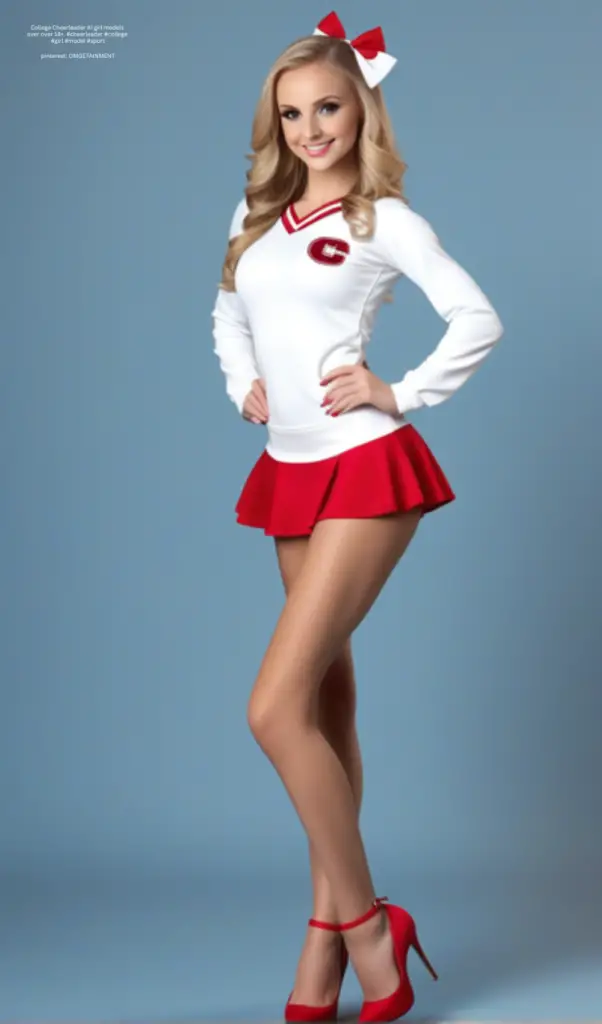
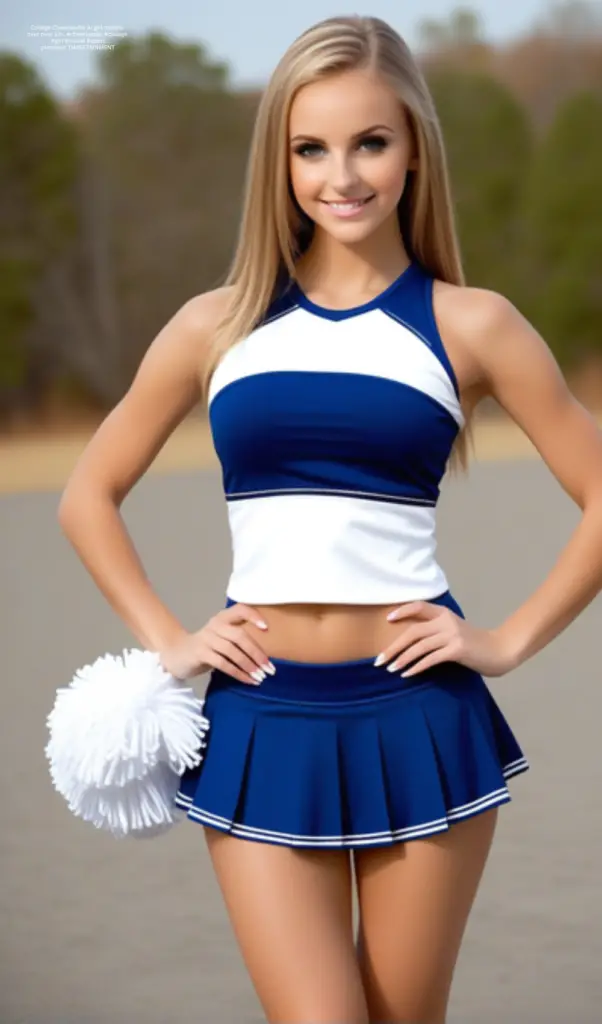
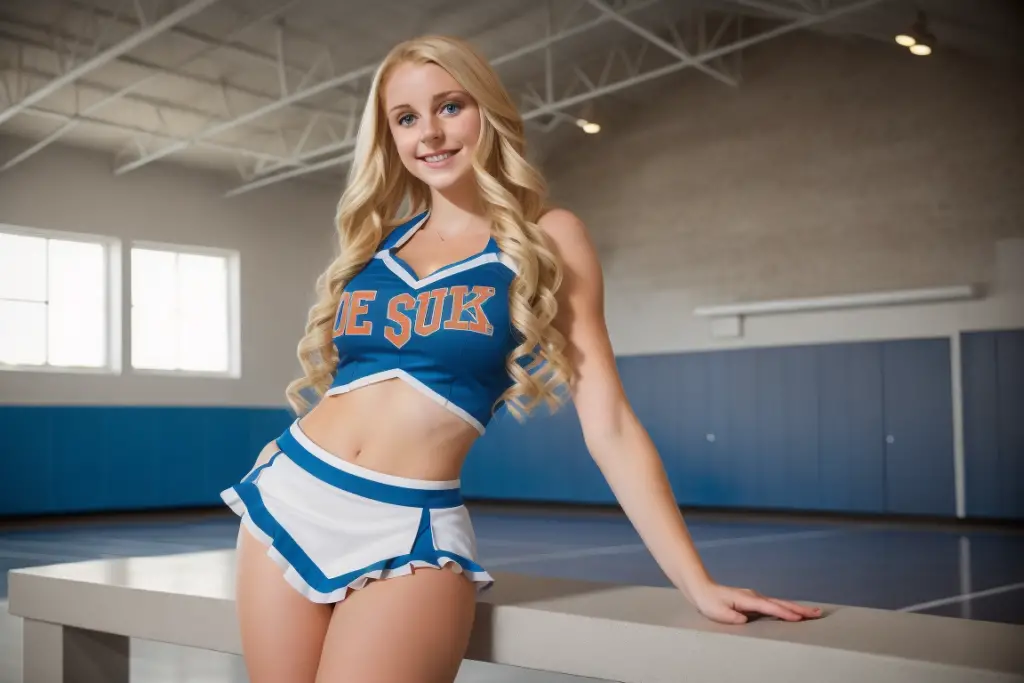
Competition and game day uniforms represent the most visible aspect of cheerleader fashion. These fitted, coordinated outfits in school colors combine crop tops with short skirts, designed for maximum mobility during athletic movements. Modern uniforms use moisture-wicking, four-way stretch fabrics that move with the body while maintaining their shape through hours of activity.
The aesthetic has remained remarkably consistent for decades—the cropped top and short skirt silhouette defines cheerleader fashion iconography. But materials and construction have evolved dramatically. Today’s uniforms incorporate compression elements, built-in support, and technical fabrics that would have been unavailable even twenty years ago.
Practice wear offers more variety and personal expression while maintaining functionality. Most cheerleaders practice in athletic shorts or leggings paired with sports bras, fitted tanks, or team-branded t-shirts. This athleisure aesthetic has become so mainstream that practice wear often doubles as casual campus attire.
The rise of premium athletic brands—Nike, Lululemon, Athleta, Gymshark—has elevated expectations for practice wear quality and style. Many cheerleaders invest in high-quality leggings, sports bras, and athletic tops that perform during intense training while looking polished enough for everyday wear.
Footwear choices center on specialized cheer shoes for practice and performance—lightweight, flexible athletic shoes with minimal ankle support allowing the range of motion cheerleading demands. But off the field, many cheerleaders gravitate toward sneakers, athletic slides, and comfortable footwear reflecting the broader athleisure trend.
Athleisure Influence: Blurring Athletic and Casual
Cheerleaders were early adopters of the athleisure trend that’s now dominated mainstream fashion. The practical need to move between classes, practice, and social activities in limited time made athletic wear as everyday clothing a necessity long before it became fashionable.
Leggings and athletic tights have become wardrobe staples. High-quality options from brands like Lululemon or Athleta transition seamlessly from morning practice to afternoon classes to evening study sessions. The comfort and flexibility that make them perfect for athletic activity also make them ideal for long days on campus.
Cheerleaders often pair athletic leggings with oversized hoodies, cropped sweatshirts, or team-branded apparel, creating looks that are simultaneously functional and stylish. This combination has become so ubiquitous on college campuses that it’s nearly a uniform itself among female students.
Sports bras as outerwear represent another trend cheerleaders embraced early. What began as practical practice wear—sports bras worn alone during hot outdoor training—has evolved into an accepted fashion choice. High-quality sports bras with interesting designs, mesh panels, or strappy backs now function as crop tops in casual settings.
This shift reflects broader changes in acceptable casual wear and body confidence. Athletic wear that shows midriffs, arms, and legs no longer registers as inappropriate or overly revealing—it’s standard activewear that’s become everyday fashion.
Athletic shoes and sneakers dominate cheerleader casual footwear. The same comfort and support needed for athletic training make sneakers practical for walking across campus, standing during classes, and navigating busy college schedules. Premium sneaker culture has made athletic shoes fashion statements rather than purely functional gear.
Campus Style: Beyond the Uniform
Off the field and outside practice, cheerleaders’ fashion choices reflect broader college fashion trends while often maintaining the athletic-casual aesthetic their schedules demand.
Denim and casual bottoms provide alternatives to athletic wear for classes and social occasions. High-waisted jeans, denim shorts, and casual skirts appear in many cheerleaders’ wardrobes, offering options when athletic wear feels too casual for particular settings.
The fitted, body-conscious silhouettes popular in contemporary fashion appeal to cheerleaders comfortable with their athletic physiques. Skinny jeans, fitted tops, and bodycon styles create looks that work for campus life while reflecting confidence in their bodies developed through years of athletic training.
Layering pieces become essential for transitioning between different environments and activities. Oversized sweatshirts, zip-up hoodies, and comfortable outerwear layer over athletic wear or casual outfits, providing warmth and creating different looks from core wardrobe pieces.
Team-branded apparel—sweatshirts, t-shirts, jackets bearing university and cheer team logos—serves both practical and social functions. These pieces signal team membership and school pride while providing comfortable, appropriate clothing for various campus settings.
Footwear variety expands beyond athletic shoes to include casual sneakers, sandals, boots (especially in colder climates), and occasionally heels for formal events. But comfort remains paramount given the physical demands of cheerleading schedules. Practical footwear dominates even in more dressed-up contexts.
Fashion Trends and Social Media Influence
Like all college students, cheerleaders are influenced by fashion trends circulating through social media, particularly Instagram, TikTok, and Pinterest. But their fashion choices are filtered through practical considerations that non-athletes may not prioritize.
Trends that translate well to cheerleader lifestyles:
- Matching athletic sets (coordinated sports bra and legging sets)
- Oversized comfort wear (hoodies, sweatshirts, loungewear)
- Bike shorts and biker shorts as standalone pieces
- Scrunchies and athletic hair accessories
- Minimalist jewelry that won’t interfere with practice
- Crossbody bags and backpacks leaving hands free
Trends less compatible with athletic schedules:
- High-maintenance clothing requiring special care
- Restrictive or delicate fabrics
- Elaborate outfits with multiple pieces and accessories
- Shoes that aren’t practical for walking
- Clothing that can’t survive being stuffed in gym bags
Social media also creates pressure for variety and constant newness in wardrobe choices. Cheerleaders active on Instagram or TikTok may feel pressure to post different outfits regularly, creating demand for larger wardrobes despite limited budgets and storage space in dorms.
Many cheerleaders develop signature styles or go-to looks that become their personal aesthetic. This reduces decision fatigue when getting dressed and creates consistent visual identity across social media while simplifying daily wardrobe choices.
Body Confidence and Fashion Choices
Cheerleading’s physical demands and performance context shape how participants relate to their bodies and approach fashion choices.
Athletic confidence translates to fashion confidence. Years of performing in fitted uniforms in front of large crowds develops comfort with being visible and observed. Many cheerleaders report this translates to confidence wearing body-conscious clothing in everyday contexts.
The strength, flexibility, and fitness developed through training creates appreciation for what bodies can do rather than just how they look. This functional relationship with physicality often leads to fashion choices celebrating athletic physiques rather than hiding them.
But body image pressures exist too. The emphasis on appearance in cheerleading—performing in revealing uniforms, being photographed constantly, existing in social media culture—creates pressures around maintaining certain body types or appearances.
Fashion becomes one way cheerleaders express individuality within the constraints of team uniformity. While uniforms standardize appearance during performances, personal fashion choices off the field allow self-expression and differentiation from teammates.
Many cheerleaders gravitate toward styles that acknowledge their athletic builds. Fitted clothing that accommodates muscular legs, broad shoulders, or athletic frames often works better than styles designed for less athletic body types. This sometimes means sizing up in certain brands or seeking athletic-specific fashion lines.
Seasonal Adaptations: Weather and Fashion
College cheerleaders must adapt their fashion choices to varying climates and seasons, particularly since many perform outdoors during fall football season and winter basketball games.
Fall football season presents specific challenges. Games occur in everything from blazing heat to freezing cold, often with significant temperature swings from afternoon to evening. Cheerleaders need layers they can add or remove, warm-up gear for sidelines, and clothing appropriate for hours outdoors.
Off-field fashion during fall often emphasizes comfortable layers—jeans with oversized sweatshirts, leggings with long cardigans, boots with athletic wear. The goal is staying comfortable through long days that might involve morning classes, afternoon practice, and evening games.
Winter challenges vary by region. Southern schools maintain relatively consistent mild weather, allowing year-round athletic wear as everyday fashion. Northern schools require serious winter gear—heavy coats, boots, warm layers—that must accommodate carrying gym bags and moving between heated buildings and cold outdoors.
Many cheerleaders in cold climates develop winter capsule wardrobes emphasizing warm, practical pieces that work with athletic schedules. Insulated leggings under jeans, fleece-lined athletic wear, and quality winter coats become essentials.
Spring and warmer weather allow more variety and lighter fabrics. Shorts, dresses, lighter athletic wear, and sandals replace winter layers. Many cheerleaders embrace warmer weather as opportunity to wear clothing not practical during colder months.
Travel and Competition Fashion
Competition season introduces specific fashion considerations beyond daily campus wear. Teams travel to competitions, often spending weekends in hotels with teammates, navigating airports, and performing in front of judges and large crowds.
Travel outfits balance comfort for long car rides or flights with presenting polished team image. Many squads coordinate travel wear—matching team gear or specified dress codes ensuring everyone looks unified when representing the university.
Comfortable athletic wear dominates—leggings or joggers with team sweatshirts, sneakers, hair pulled back practically. But there’s also awareness of being visible as a team and representing the university, so outfits tend toward neat, coordinated appearances rather than pure comfort.
Competition day preparation involves specific outfit timing. Cheerleaders arrive in comfortable clothing for warm-ups and preparation, change into competition uniforms for performance, then back to casual wear afterward. This requires packing efficiently and planning outfit changes around tight schedules.
Hair and makeup for competitions represent another fashion element. Most teams specify makeup expectations—defined eyes, bright lips, polished appearance visible from judges’ distance. Hair typically goes in high ponytails with large coordinating bows, creating the iconic cheerleader aesthetic.
Post-competition celebrations or team dinners sometimes involve dressing up beyond athletic wear. Some teams bring nicer outfits for celebrating after competitions—casual dresses, jeans with dressier tops, outfits that feel more “going out” than typical practice wear.
The Practical Wardrobe: What Actually Gets Worn
Despite fashion trends and aspirational outfits seen on social media, most cheerleaders’ daily wardrobes center on practical, versatile pieces that accommodate demanding schedules.
Core wardrobe pieces typically include:
- Multiple pairs of athletic leggings (black, gray, colored options)
- Sports bras and athletic tanks for practice
- Team-branded t-shirts and sweatshirts
- One or two pairs of well-fitting jeans
- Comfortable sneakers and athletic shoes
- Oversized hoodies and sweatshirts for layering
- Basic shorts (athletic and denim)
- Versatile jacket or outerwear
- Minimal jewelry that won’t interfere with practice
This capsule approach reflects practical reality—limited dorm storage, tight budgets, and schedules that don’t allow elaborate outfit planning. The most-worn pieces are those that work across multiple contexts and can be thrown in gym bags without worry.
Laundry logistics influence fashion choices more than many expect. With practice multiple times weekly plus games and competitions, athletic wear cycles through laundry constantly. Having enough practice clothes for the week without daily laundry becomes a practical necessity.
Quick-drying fabrics, wrinkle-resistant materials, and clothing that survives frequent washing in dorm machines become priorities. Delicate items requiring special care rarely fit cheerleader lifestyles, regardless of how fashionable they might be.
Fashion as Team Culture
Fashion choices sometimes reflect and reinforce team culture and identity. Some squads develop recognizable style aesthetics—particular brands they favor, color schemes beyond official team colors, or fashion choices that become team signatures.
Team shopping trips or coordinated purchases create bonding opportunities while ensuring everyone has appropriate gear. Some teams organize group orders for practice wear, ensuring visual coordination during training while potentially getting bulk discounts.
Hair accessories, particularly the oversized bows worn during performances, become collectibles for many cheerleaders. Different bows for different occasions—practice bows, game bows, competition bows, specialty bows for themed events—accumulate over seasons and often get saved as mementos.
Social media team accounts showcasing squad members often emphasize fashion elements—posting outfit photos, highlighting individual style, or documenting team fashion choices. This creates awareness of fashion as part of team identity and public image.
Some cheerleaders become known within their teams for particular fashion sensibilities—the teammate who always has the best athletic wear, the one with the most creative casual outfits, the one whose makeup is always perfect. These informal roles contribute to team dynamics and individual identity within the group.
Conclusion: Function Meets Personal Expression
Cheerleader fashion represents a unique blend of athletic necessity, contemporary trends, practical constraints, and personal expression. The demands of the sport—physical activity, frequent travel, tight schedules, performance visibility—shape fashion choices in ways that distinguish cheerleader style from typical college fashion.
Yet cheerleaders remain college students navigating the same social contexts, fashion trends, and self-expression needs as their peers. The result is a distinctive approach to fashion that prioritizes functional athletic wear while incorporating current trends and maintaining individual style.
The athletic aesthetic that’s become mainstream fashion emerged partly from communities like cheerleaders who needed clothing bridging athletic performance and everyday life. The leggings, sports bras, and athletic wear now ubiquitous on college campuses reflect needs cheerleaders articulated years before athleisure became a dominant trend.
Understanding cheerleader fashion means recognizing both the practical constraints shaping choices and the creativity individuals bring to expressing themselves within those constraints. Whether performing in coordinated uniforms, training in high-quality athletic wear, or navigating campus in comfortable, stylish outfits, cheerleaders demonstrate how fashion adapts to serve both functional needs and personal expression.
The images throughout this article showcase the range of cheerleader fashion—from performance uniforms to athletic training wear to casual campus style. These examples illustrate how cheerleaders balance athletic demands with contemporary fashion trends, creating distinctive personal style within the framework of a demanding athletic commitment.


Welcome to cheerleader appreciation club – join for more images, videos and more cool stuff.